

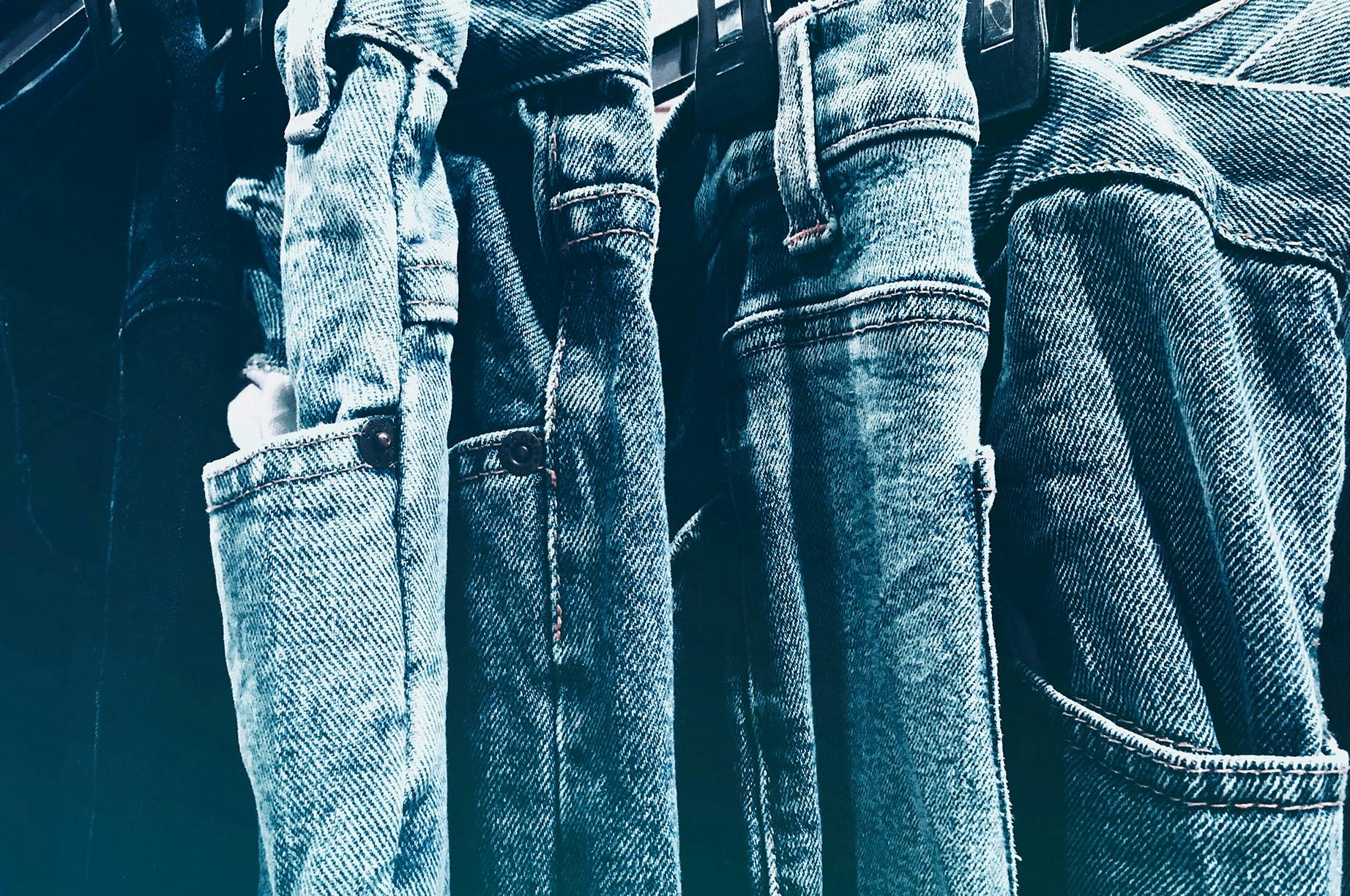

Denim is one of the few fabrics that has managed to remain relevant across generations, industries, and cultures. Originally designed as a durable workwear fabric for laborers and miners, denim has evolved into a global textile phenomenon used in everything from luxury fashion to industrial garments. Despite its universal popularity, many people still assume denim is simply “blue jean fabric.” In reality, denim is far more technically sophisticated than its casual appearance suggests.
What truly makes denim “denim” is not just its color or thickness, but a combination of weave structure, yarn arrangement, dyeing methods, and finishing techniques. These characteristics work together to create a fabric with unique durability, aging properties, texture, and visual appeal. For textile engineers, denim is a fascinating example of how fabric construction and chemical processing influence both performance and aesthetics.
The Basic Definition of Denim
At its core, denim is a woven cotton fabric produced using a twill weave construction. Traditionally, it consists of indigo-dyed warp yarns and undyed weft yarns. This combination creates the classic blue outer surface and lighter inner surface that most consumers immediately associate with denim garments.
Although cotton remains the primary fiber used in denim manufacturing, modern denim fabrics may also include elastane, polyester, modal, hemp, or regenerated cellulose fibers such as Tencel. These additions are mainly introduced to improve stretch, softness, recovery, moisture management, or sustainability. However, even with these modern innovations, the fundamental identity of denim still depends on its weave structure and yarn arrangement.
Unlike many plain woven fabrics, denim possesses a distinctive surface texture and exceptional durability. These properties are the direct result of its twill-based construction, which differentiates denim from fabrics such as canvas, poplin, or chambray.
The Importance of Twill Weave
The most important structural characteristic of denim is the twill weave. In textile engineering, a twill weave is recognized by the diagonal rib or wale pattern formed on the fabric surface. This diagonal effect is produced when the warp yarn floats over multiple weft yarns before interlacing under one or more weft yarns in a repeated sequence.
Most denim fabrics are constructed using a 3/1 right-hand twill weave. In this structure, the warp yarn passes over three weft yarns and then under one weft yarn. As this sequence repeats across the fabric width, diagonal lines become visible on the surface. These diagonal lines are one of denim’s most recognizable visual characteristics.
The twill weave contributes significantly to denim’s physical performance. Compared to plain weaves, twill fabrics generally offer higher tensile strength, better abrasion resistance, improved flexibility, and superior drape characteristics. Because the yarns are packed more efficiently within the structure, twill fabrics also tend to resist tearing more effectively under repeated stress.
Another interesting feature of twill denim is its ability to hide stains and surface dirt more effectively than plain woven fabrics. This was one of the reasons denim became highly valued as workwear during the late nineteenth and early twentieth centuries.
Without the twill structure, a fabric may resemble denim visually, but technically it cannot truly be classified as denim.
Warp and Weft: The Core Identity of Denim
The relationship between warp and weft yarns plays a major role in defining denim’s appearance and behavior. In traditional denim construction, the warp yarns are dyed with indigo while the weft yarns are left white or undyed. Since the warp yarns dominate the fabric surface in a twill weave, the outer face appears predominantly blue while the inside remains much lighter.
Warp yarns are generally stronger and more tightly twisted because they must withstand significant tension during weaving. These yarns run lengthwise through the loom and form the backbone of the fabric structure. The weft yarns, inserted horizontally, experience less tension and are often softer in comparison.
One of denim’s most fascinating properties comes from the interaction between these yarn systems and the indigo dye itself. Because indigo primarily coats the outer layer of the warp yarn instead of fully penetrating the fiber core, the fabric gradually fades through abrasion and wear. Over time, repeated friction causes portions of the indigo coating to wear away, exposing the lighter inner fiber beneath.
This fading phenomenon is what gives denim its highly personalized aging patterns. Creases behind the knees, whiskers near the hips, honeycomb patterns, and other wear marks develop naturally based on the wearer’s movements and lifestyle. Few fabrics age as dynamically or uniquely as denim.
Why Indigo Dye Matters
Indigo dye is deeply connected to the history and identity of denim. Historically derived from natural plant sources, modern industrial denim production primarily uses synthetic indigo because of its consistency, scalability, and cost efficiency.
What makes indigo unique from a textile chemistry perspective is its relatively low fiber penetration. Unlike reactive dyes that chemically bond deeply within cotton fibers, indigo tends to remain concentrated near the yarn surface. This limited penetration is precisely what enables denim to fade attractively over time.
The dyeing process itself is highly engineered. Most denim mills use either rope dyeing or slasher dyeing systems. In rope dyeing, bundles of yarn are twisted into rope-like forms and repeatedly dipped into indigo dye baths followed by oxidation chambers. Each dip deepens the shade gradually as oxygen converts the soluble dye into its insoluble blue form.
This repeated dipping and oxidation process creates the rich layered indigo appearance associated with premium denim fabrics. The process also allows manufacturers to control shade depth, ring dyeing quality, and color consistency across production batches.
Although indigo blue remains the traditional standard, modern denim is available in black, grey, ecru, and various sulfur-dyed colors. Nevertheless, the fabric can still be classified as denim as long as the essential structural properties remain intact.
Denim Weight and Fabric Strength
Denim fabrics are commonly categorized by weight, usually measured in ounces per square yard. Fabric weight has a direct impact on durability, comfort, drape, and end-use applications.
Lightweight denim is often used for shirts, dresses, and summer garments because it provides improved breathability and softness. Midweight denim represents the standard category used in everyday jeans and casual wear. Heavyweight denim, on the other hand, is favored for workwear and raw denim products because of its rugged feel and exceptional durability.
Heavier denim fabrics generally contain coarser yarns and denser constructions, which increase tensile strength and abrasion resistance. However, these fabrics may initially feel stiff and uncomfortable until they undergo repeated wear and softening.
Raw denim enthusiasts often prefer heavyweight fabrics because they produce more dramatic fading patterns over time. From an engineering perspective, heavier denim also offers improved dimensional stability and longer service life under demanding conditions.
Raw Denim vs Washed Denim
One of the most important distinctions in denim manufacturing is the difference between raw denim and washed denim.
Raw denim refers to denim that has not undergone post-weaving washing or distressing treatments. It retains its original stiffness, dark indigo shade, and crisp texture directly after dyeing and weaving. Because the fabric remains untreated, raw denim develops highly individualized fading patterns unique to each wearer.
Washed denim undergoes various finishing treatments designed to soften the fabric and create an aged appearance before the garment reaches consumers. These treatments may include stone washing, enzyme washing, acid washing, bleaching, sanding, or resin finishing.
Modern denim finishing has become an advanced engineering discipline involving chemistry, mechanical processing, laser technology, and environmental management. Laser distressing and ozone washing technologies are increasingly replacing traditional abrasive methods because they reduce water consumption and chemical usage while offering better process control.
The finishing stage significantly influences garment aesthetics, hand feel, shrinkage behavior, and consumer appeal.
Stretch Denim and Fiber Blends
Traditional denim was manufactured using 100 percent cotton yarns. While pure cotton denim remains highly valued, especially in premium and heritage markets, modern consumers increasingly demand greater comfort and flexibility.
This demand led to the development of stretch denim, which incorporates small percentages of elastane or spandex fibers into the fabric structure. Even the addition of one or two percent elastane can dramatically improve garment mobility, fit retention, and wearer comfort.
Polyester blends may be introduced to enhance durability and reduce shrinkage, while fibers such as modal and Tencel improve softness and moisture absorption. Hemp blends are also gaining popularity because of their lower environmental footprint and natural strength properties.
Despite these modifications, the fabric remains denim as long as its core construction characteristics are preserved. The adaptability of denim to modern fiber technologies is one reason the fabric continues to dominate the global apparel industry.
Sustainable Denim Manufacturing
Sustainability has become one of the most important challenges facing the denim industry today. Conventional denim manufacturing consumes large amounts of water, chemicals, and energy, particularly during dyeing and finishing operations.
As environmental concerns continue to grow, textile manufacturers are investing heavily in cleaner denim technologies. Innovations such as foam dyeing, waterless finishing, recycled cotton integration, and closed-loop chemical systems are helping reduce the environmental impact of denim production.
Laser finishing technology has emerged as a particularly important advancement because it can create distressed effects without excessive manual sanding or chemical treatments. Similarly, ozone washing allows manufacturers to achieve faded appearances while significantly lowering water consumption.
Many leading mills are also exploring biodegradable dyes, regenerative cotton farming, and circular textile recycling systems. These developments demonstrate how denim manufacturing is evolving to meet modern sustainability expectations without sacrificing performance or aesthetics.
Conclusion
Denim is far more than a simple blue fabric used for jeans. Its identity is rooted in a carefully engineered combination of twill weave construction, indigo-dyed warp yarns, durable yarn structures, and distinctive fading behavior. Every stage of denim manufacturing, from spinning and weaving to dyeing and finishing, contributes to the fabric’s final character.
What makes denim truly remarkable is its ability to balance functionality and fashion. Few fabrics possess the same combination of strength, comfort, adaptability, and cultural significance. Even after more than a century of innovation, denim continues to evolve alongside advances in textile engineering and consumer demand.
For textile professionals and engineering students, denim represents one of the best examples of how material science, fabric construction, dye chemistry, and finishing technology come together to create a textile that is both technically impressive and globally iconic.