


Introduction
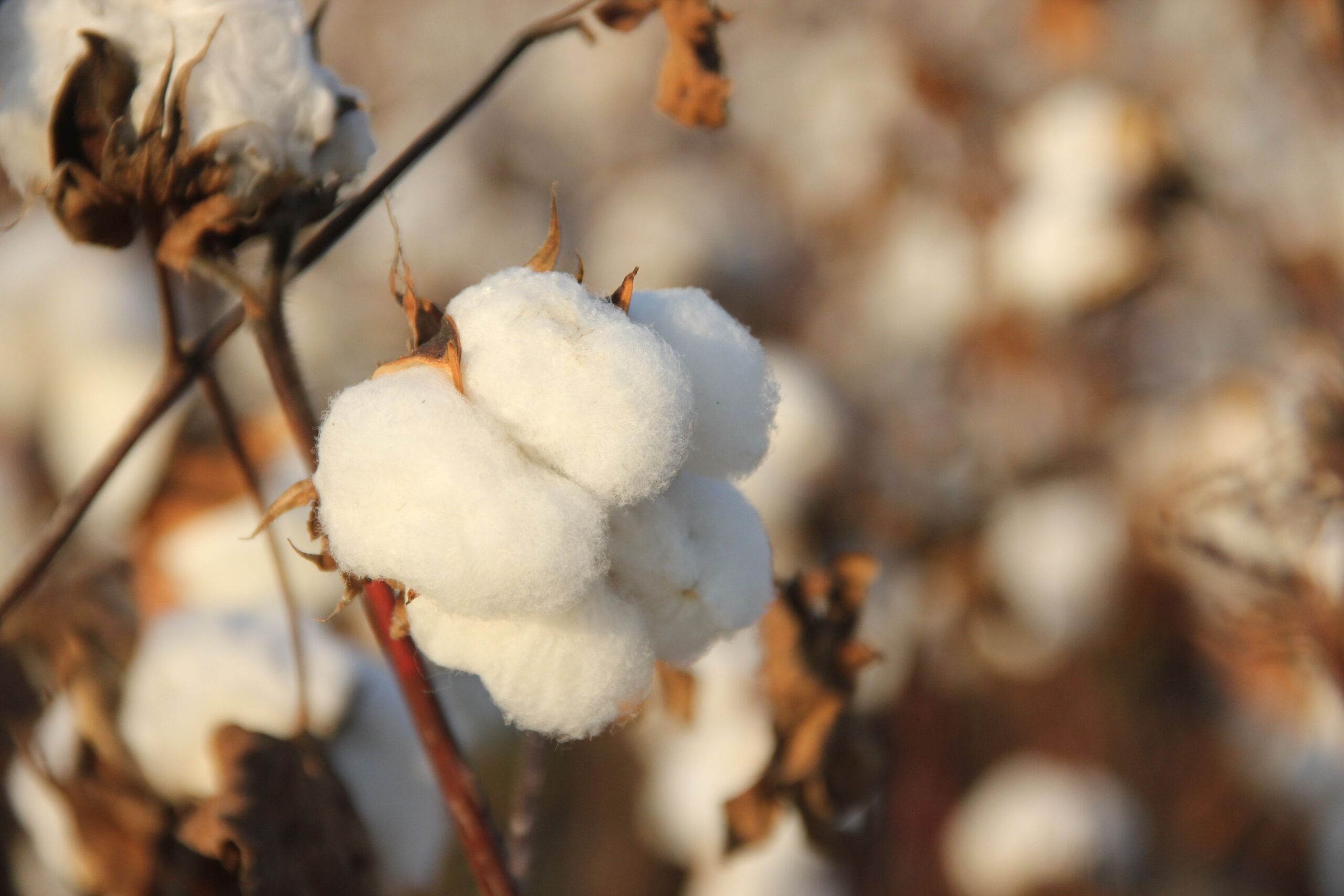
Cotton is the most widely used natural fiber in the global textile industry, serving as the foundation for apparel, home furnishings, medical textiles, and numerous industrial applications. Every year, millions of tonnes of cotton are cultivated and processed into yarns and fabrics that reach consumers across the world. Its softness, breathability, moisture absorbency, versatility, and relatively low cost have made cotton one of the most valuable agricultural commodities and an essential raw material for textile manufacturers.
Despite its widespread popularity, conventional cotton cultivation has long been associated with environmental challenges. Intensive farming methods often depend on synthetic fertilizers, pesticides, herbicides, and genetically modified seeds to maximize productivity. While these practices have helped increase yields, they have also raised concerns regarding soil degradation, water pollution, biodiversity loss, and the long-term sustainability of cotton farming.
As governments, brands, manufacturers, and consumers become increasingly focused on sustainability, organic cotton has emerged as an important alternative. Rather than simply being a marketing term, organic cotton represents a carefully regulated agricultural and manufacturing system designed to reduce environmental impact while maintaining fiber quality and supporting healthier farming ecosystems.
For professionals working in the textile industry, understanding organic cotton requires more than knowing that it is grown without synthetic chemicals. Textile engineers, quality managers, sourcing specialists, merchandisers, and apparel manufacturers must understand how organic cotton affects fiber characteristics, processing methods, certification requirements, supply chain management, and finished product performance. Although organic cotton behaves similarly to conventional cotton during spinning and fabric production, its production chain involves significantly stricter controls and traceability requirements.
This article provides a detailed overview of organic cotton from both agricultural and textile engineering perspectives, explaining how it is cultivated, processed, certified, tested, and incorporated into modern textile manufacturing.
The Evolution of Organic Cotton
The concept of organic agriculture gained momentum during the twentieth century as scientists and environmentalists began questioning the long-term effects of intensive chemical farming. During the 1980s and 1990s, several cotton-producing regions started experimenting with chemical-free cultivation methods that emphasized natural soil fertility and biological pest management.
Initially, organic cotton occupied only a niche market, supplying environmentally conscious consumers and a handful of sustainable clothing brands. Production volumes remained relatively low because yields were often lower than conventional farming, certification processes were expensive, and market demand was limited.
Over the last two decades, however, sustainability has become a strategic priority for the global textile industry. Major fashion retailers, sportswear manufacturers, luxury brands, and home textile producers have committed to increasing their use of sustainably sourced fibers. As a result, organic cotton production has expanded considerably, supported by improved farming techniques, stronger certification systems, and growing consumer awareness.
Although organic cotton still represents a relatively small percentage of total global cotton production, its influence continues to grow as governments and industries place greater emphasis on responsible sourcing and environmental stewardship.
What Is Organic Cotton?
Organic cotton is cotton cultivated according to certified organic agricultural standards without the use of synthetic fertilizers, synthetic pesticides, herbicides, or genetically modified (GM) seeds. Instead of relying on chemical-intensive farming, organic cultivation emphasizes ecological balance, biodiversity, healthy soil, and renewable farming practices.
It is important to understand that the term “organic cotton” primarily refers to the agricultural production of the fiber. For a finished textile product to be marketed as certified organic, every stage after harvesting—including ginning, spinning, knitting or weaving, dyeing, finishing, and garment manufacturing—must comply with recognized certification requirements.
This distinction is particularly important because cotton grown organically can lose its certified status if it becomes mixed with conventional cotton or is processed using prohibited chemicals.
Principles of Organic Cotton Farming
Organic cotton farming is based on creating a sustainable agricultural ecosystem rather than maximizing production through chemical intervention.
The foundation of organic cultivation is healthy soil. Farmers use compost, livestock manure, crop residues, and green manure crops to replenish nutrients naturally. Instead of applying synthetic nitrogen fertilizers, organic farms rely on biological nutrient cycles that gradually improve soil fertility over time.
Crop rotation is another essential practice. Cotton is alternated with legumes, cereals, vegetables, or cover crops to reduce pest populations, restore nutrients, improve soil structure, and interrupt disease cycles. Continuous monocropping is generally avoided because it increases susceptibility to pests and depletes soil nutrients.
Pest management focuses on prevention rather than chemical control. Farmers encourage beneficial insects such as ladybirds and lacewings, use pheromone traps, apply neem-based biological treatments, and manually remove weeds where necessary. Maintaining biodiversity within and around farms helps create a balanced ecosystem capable of naturally suppressing harmful insects.
Water conservation also plays a significant role. Many organic farms rely on rain-fed agriculture, drip irrigation, mulching, and moisture-retaining soil management practices. While organic cotton is not inherently a low-water crop, healthier soils often retain moisture more effectively, reducing irrigation requirements under suitable climatic conditions.
Soil Health and Nutrient Management
Healthy soil is one of the defining characteristics of successful organic cotton cultivation.
Organic matter improves soil structure, allowing roots to penetrate deeper while increasing water infiltration and moisture retention. Rich microbial activity promotes nutrient cycling, enabling plants to absorb nitrogen, phosphorus, potassium, and micronutrients naturally.
Earthworms, beneficial fungi, bacteria, and microorganisms contribute to maintaining soil fertility. Instead of treating soil merely as a medium for supporting crops, organic agriculture considers soil a living ecosystem whose long-term productivity depends upon biological diversity.
Regular incorporation of compost increases organic carbon content while improving resistance to erosion. Over time, these practices help restore degraded farmland and reduce dependence on external agricultural inputs.
Harvesting and Ginning
Harvesting methods significantly influence fiber quality and contamination levels.
In many regions, organic cotton is harvested manually. Hand picking allows workers to collect only mature cotton bolls while minimizing leaf fragments, immature fibers, and foreign contamination. Although manual harvesting is labor-intensive, it often produces cleaner lint with improved spinning performance.
Mechanical harvesting is also used in large-scale production systems. Because organic farming avoids chemical defoliants, harvesting equipment may collect more plant material, requiring efficient cleaning during ginning.
Ginning separates cotton fibers from seeds using roller or saw gins. Organic cotton gins follow strict segregation procedures to prevent mixing with conventional cotton. Equipment is thoroughly cleaned between production batches, and every bale is labeled and documented to maintain complete traceability.
Storage and transportation require equal attention. Cotton bales must remain isolated from conventional fiber throughout warehousing and shipping to preserve certification integrity.
Fiber Characteristics of Organic Cotton
From a fiber science perspective, organic cotton possesses essentially the same chemical composition as conventional cotton. Both fibers consist primarily of cellulose, making them highly absorbent, breathable, dyeable, and comfortable.
The physical characteristics of cotton depend more heavily on variety, climate, maturity, harvesting conditions, and post-harvest handling than on whether the crop is organic.
Important fiber properties include staple length, fineness, maturity, strength, elongation, micronaire, uniformity index, and trash content. These characteristics determine spinning efficiency and yarn quality.
Longer staple fibers generally produce smoother yarns with fewer imperfections and higher tensile strength. Fine fibers contribute to softer fabrics, while mature fibers exhibit improved dye uptake and dimensional stability.
Because organic farming prohibits chemical defoliants, careful harvesting becomes especially important to maintain low contamination levels and preserve fiber quality.
Laboratory Testing and Quality Evaluation
Textile manufacturers routinely evaluate organic cotton using the same laboratory techniques applied to conventional cotton.
High Volume Instrument (HVI) testing measures staple length, strength, micronaire, color grade, trash content, and uniformity. Advanced fiber testing systems provide rapid and standardized assessment of raw cotton quality before spinning.
Yarn manufacturers also perform tests for tensile strength, evenness, hairiness, imperfections, and moisture content. Instruments such as USTER testing equipment help monitor spinning performance and ensure consistency throughout production.
Certification audits often require additional documentation proving that certified fibers remain segregated throughout manufacturing. Batch identification, production records, and traceability documentation become critical components of quality assurance.
Spinning Organic Cotton
Organic cotton passes through essentially the same spinning sequence as conventional cotton.
The process begins in the blow room, where compressed cotton bales are opened, cleaned, and blended. Proper contamination removal is particularly important because certified organic products must maintain exceptionally high cleanliness standards.
Carding aligns fibers while removing remaining impurities and forming a continuous sliver. Depending on yarn quality requirements, combing may be introduced to eliminate short fibers and improve yarn uniformity.
Drawing combines multiple slivers to improve fiber alignment before roving reduces strand thickness in preparation for spinning.
Ring spinning remains the most common technology for producing high-quality organic cotton yarns because it offers excellent strength, softness, and versatility. Rotor spinning provides greater productivity for coarser yarns, while compact spinning improves fiber integration, reduces hairiness, and enhances yarn strength.
Throughout spinning, dedicated production lines or carefully scheduled manufacturing runs are often used to prevent contamination from conventional cotton.
Weaving and Knitting
Organic cotton yarns can be converted into fabrics using standard weaving and knitting technologies.
Plain weave, twill weave, satin weave, jacquard fabrics, denim constructions, and technical woven textiles can all be manufactured from organic cotton yarns.
Similarly, circular knitting, flat knitting, rib structures, interlock fabrics, jersey fabrics, fleece, and piqué fabrics are commonly produced using organic cotton.
From an engineering perspective, machine settings, loom performance, knitting efficiency, and fabric formation remain largely identical to conventional cotton processing because the fiber itself exhibits similar mechanical behavior.
The primary operational difference lies in maintaining production segregation and documentation throughout manufacturing.
Dyeing, Bleaching, Printing, and Finishing
Organic cotton accepts dyes in much the same way as conventional cotton due to its cellulose-based structure.
Scouring removes natural waxes and impurities before bleaching improves fabric whiteness. Dyeing is typically performed using reactive dyes because they provide excellent wash fastness and color brilliance on cellulose fibers.
Manufacturers producing certified organic textiles frequently use low-impact dyes and processing chemicals that comply with environmental regulations established by certification bodies.
Printing techniques such as pigment printing, reactive printing, digital textile printing, and screen printing can all be applied to organic cotton fabrics provided approved chemicals are used.
Finishing treatments may include enzyme washing, bio-polishing, calendaring, sanforization, softening, wrinkle resistance, and moisture management. However, chemical finishes must satisfy certification standards regarding toxicity, biodegradability, and consumer safety.
Modern wet processing facilities increasingly incorporate water recycling, heat recovery systems, renewable energy, and advanced wastewater treatment to further reduce environmental impact.
Organic Cotton Certification
Certification plays a crucial role in maintaining consumer confidence and supply chain transparency.
Organic farming must comply with nationally or internationally recognized organic agriculture standards. Following harvest, textile manufacturers often seek additional certifications covering processing, chemical management, environmental performance, and social responsibility.
Among the most widely recognized certifications are the Global Organic Textile Standard (GOTS), which covers both environmental and social criteria throughout textile processing, and the Organic Content Standard (OCS), which verifies the presence and traceability of organically grown material throughout the supply chain.
Certification bodies conduct periodic inspections, review production records, verify segregation procedures, and audit manufacturing facilities to ensure ongoing compliance.
Without proper certification, products cannot legitimately be marketed as certified organic textiles.
Organic Cotton Versus Conventional Cotton
Although the finished fibers often perform similarly, the production methods differ significantly.
Conventional cotton farming typically relies on synthetic fertilizers, pesticides, herbicides, and genetically modified seed varieties to maximize agricultural productivity.
Organic farming replaces these inputs with compost, biological pest management, crop rotation, natural fertilizers, and ecological farming practices.
From a textile processing standpoint, spinning, weaving, knitting, and dyeing operations remain fundamentally similar. The greatest differences occur in raw material sourcing, certification requirements, contamination prevention, and supply chain traceability.
Organic cotton generally commands a higher market price because lower yields, certification costs, additional inspections, and segregation requirements increase production expenses.
Organic Cotton and Better Cotton
Organic cotton is sometimes confused with Better Cotton, but the two systems have different objectives.
Organic cotton follows strict agricultural standards that prohibit synthetic pesticides, chemical fertilizers, and genetically modified seeds. Certification verifies compliance throughout the production chain.
Better Cotton focuses on improving conventional cotton farming through more efficient water use, responsible pesticide management, better labor practices, and continuous improvement rather than complete elimination of synthetic agricultural inputs.
Both initiatives contribute to greater sustainability, but they represent different approaches to improving cotton production.
Environmental Benefits
Organic cotton offers several environmental advantages that extend beyond the absence of synthetic chemicals.
Improved soil management enhances organic carbon storage while reducing erosion and increasing long-term agricultural productivity. Greater biodiversity supports beneficial insects, birds, and soil microorganisms that contribute to healthier ecosystems.
Reduced chemical runoff lowers the risk of contaminating nearby rivers, lakes, and groundwater resources. Lower dependence on synthetic fertilizer manufacturing can also reduce greenhouse gas emissions associated with agricultural production.
Many organic farms integrate renewable farming practices that further strengthen ecosystem resilience while improving long-term sustainability.
Although environmental performance varies according to region and farming methods, organic cotton generally contributes to more balanced agricultural systems than conventional intensive cultivation.
Challenges Facing Organic Cotton
Despite its many benefits, organic cotton production presents several technical and economic challenges.
Lower crop yields remain one of the primary obstacles to widespread adoption. Organic farms may require several years to fully restore soil fertility following conversion from conventional farming.
Certification requires detailed documentation, periodic inspections, production audits, and complete traceability, all of which increase administrative costs.
Supply availability is often limited because certified organic cotton represents only a small fraction of global cotton production. Maintaining segregation during transportation, storage, spinning, weaving, dyeing, and garment manufacturing also introduces additional logistical complexity.
Market prices fluctuate depending on seasonal harvests, certification demand, and consumer purchasing behavior.
Applications Across the Textile Industry
Organic cotton is now used across nearly every segment of textile manufacturing.
The apparel industry utilizes organic cotton for T-shirts, shirts, denim, dresses, children’s clothing, baby garments, underwear, sleepwear, sportswear, and fashion collections.
Home textiles include towels, bed sheets, pillowcases, curtains, blankets, table linens, bathrobes, and upholstery fabrics.
Medical and hygiene sectors increasingly explore organic cotton for reusable healthcare textiles where natural fibers and reduced chemical exposure are desirable.
Industrial applications continue to expand as manufacturers seek renewable raw materials for environmentally responsible textile products.
Future Trends
The future of organic cotton is closely connected to the broader transformation of the textile industry toward sustainability and circular manufacturing.
Advances in regenerative agriculture are encouraging farming systems that not only reduce environmental impact but actively restore soil health, increase biodiversity, and improve carbon sequestration. Precision agriculture, satellite monitoring, drones, and artificial intelligence are helping farmers optimize irrigation, monitor crop health, and improve resource efficiency without compromising organic principles.
Digital traceability technologies such as blockchain, QR-based product passports, and cloud-based supply chain platforms are making it easier for brands and consumers to verify the origin of certified organic cotton. At the manufacturing level, innovations in water-efficient dyeing, renewable energy integration, chemical recycling, and closed-loop textile systems are further enhancing the sustainability profile of organic cotton products.
As environmental regulations become stricter and consumers demand greater transparency, organic cotton is expected to play an increasingly important role in global fiber sourcing strategies.
Conclusion
Organic cotton represents far more than an environmentally friendly alternative to conventional cotton. It is the result of an integrated production system that combines sustainable agriculture, responsible resource management, certified processing, and transparent supply chains. While the fiber itself possesses essentially the same physical and chemical characteristics as conventional cotton, the methods used to cultivate, process, and certify it distinguish organic cotton within the global textile industry.
For textile engineers, manufacturers, quality professionals, and sourcing specialists, understanding organic cotton requires an appreciation of both its technical properties and the operational systems that preserve its integrity. From soil management and fiber testing to spinning, dyeing, certification, and traceability, every stage contributes to the production of textiles that meet increasingly demanding environmental and quality standards.
As sustainability continues to shape the future of textile manufacturing, organic cotton is likely to remain one of the industry’s most important natural fibers, demonstrating that responsible agricultural practices and high-quality textile production can successfully coexist.