

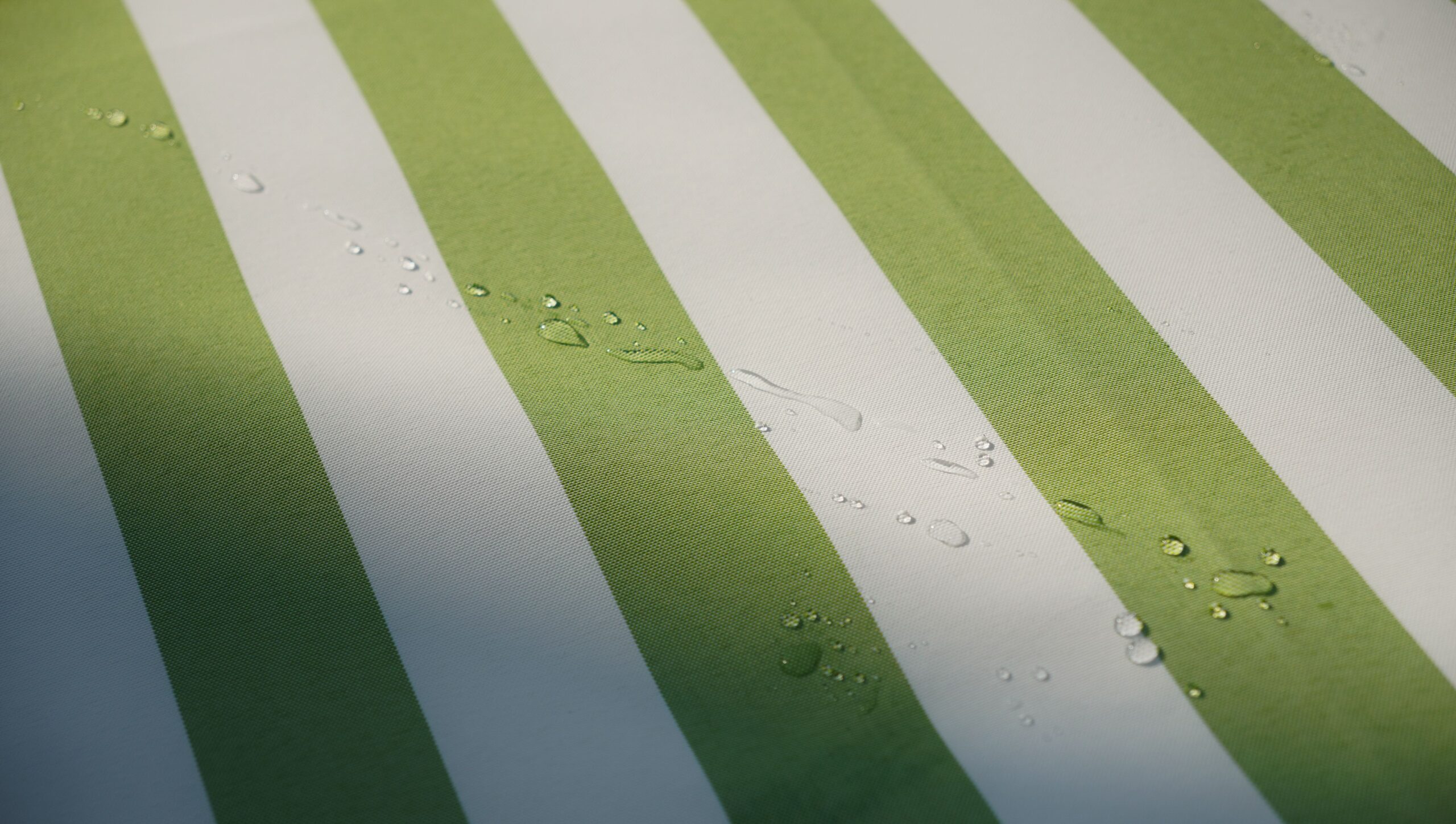

In the modern textile industry, comfort has become one of the most important aspects of fabric performance. Consumers today expect clothing not only to look attractive but also to provide comfort during daily activities, sports, and harsh environmental conditions. One of the key factors responsible for this comfort is moisture management. In textile engineering, moisture management refers to the ability of a fabric to transport moisture, particularly sweat, away from the human body and release it into the environment. This property plays a major role in determining the physiological comfort of the wearer and has therefore become a significant area of research and product development in functional textiles.
What is Moisture Management?
Moisture management refers to the ability of a textile material to handle both liquid moisture and water vapor efficiently. It involves several processes that work together to maintain comfort for the wearer. A fabric may absorb moisture from the skin, transport it through its structure, spread it over a larger surface area, and finally allow it to evaporate into the atmosphere. An ideal moisture-managing fabric ensures that the skin remains dry and comfortable even during intense physical activity or exposure to warm environments.
Why Moisture Management Matters
The human body continuously produces perspiration as part of its natural thermoregulation process. During physical activity or exposure to warm weather, sweat production increases in order to maintain body temperature. If this moisture remains trapped between the skin and the fabric, the wearer experiences discomfort, clamminess, and irritation. In extreme situations, excessive moisture accumulation can reduce thermal insulation and encourage bacterial growth, leading to unpleasant odors and hygiene problems.
Fabrics with effective moisture management properties help maintain a comfortable microclimate around the body by efficiently transporting sweat away from the skin. This improves thermal regulation, enhances wearer comfort, reduces the possibility of skin irritation, and contributes to better performance in sports and industrial applications. As a result, moisture management has become one of the most important performance characteristics in technical and functional textiles.
Mechanism of Moisture Transport in Fabrics
Moisture transport in textiles occurs through several interconnected mechanisms. One of the primary mechanisms is absorption, which refers to the uptake of moisture by textile fibers. Natural fibers such as cotton, wool, and viscose are hydrophilic in nature and can absorb significant amounts of moisture within their internal structure. Synthetic fibers such as polyester and polypropylene, however, are generally hydrophobic and absorb very little moisture.
Another important mechanism is wicking, which is the movement of liquid moisture through capillary action. Wicking occurs when moisture travels through the small spaces between fibers and yarns. The efficiency of this process depends on factors such as fiber surface characteristics, yarn structure, and fabric construction. Fabrics with fine capillary channels exhibit better moisture transport because smaller capillary spaces generate stronger capillary pressure.
P=r2γcosθ
Moisture transport also takes place in the form of water vapor diffusion. Water vapor generated by the body moves through fabric pores from regions of higher humidity to lower humidity. This process is especially important in outdoor clothing and protective textiles where breathability is essential.
The final stage of moisture management is evaporation. After moisture reaches the outer surface of the fabric, it evaporates into the surrounding atmosphere. Faster evaporation results in quicker drying and improved comfort. Environmental conditions such as temperature, airflow, and relative humidity significantly influence this process.
Factors Affecting Moisture Management
Fiber Type
Fiber type is one of the most influential factors affecting moisture management behavior. Different fibers possess different affinities toward water because of their chemical composition and molecular structure. Cotton, for example, has high moisture absorbency and provides excellent comfort, but it tends to dry slowly once saturated. Polyester, on the other hand, absorbs very little moisture but can transport sweat rapidly when engineered with suitable surface modifications. Wool has the unique ability to absorb moisture vapor without feeling excessively wet, while polypropylene is highly valued for its extremely low moisture absorption and excellent moisture transport capability.
Yarn Structure
The structure of yarn greatly influences the movement of moisture within a textile material. Yarn twist affects the size and continuity of capillary channels present between fibers. Highly twisted yarns create compact structures that restrict moisture movement, whereas lower twist yarns allow better liquid transport because of larger capillary spaces. Similarly, filament yarns generally provide smoother and more continuous pathways for moisture movement compared to spun yarns.
Fabric Structure
Fabric construction also plays a critical role in determining moisture management performance. Knitted fabrics usually exhibit better moisture transport properties than woven fabrics because their looped structures create interconnected pores that facilitate air circulation and liquid movement. Looser fabric constructions improve breathability, while multilayer and spacer fabrics can provide directional moisture transfer from the inner surface to the outer surface.
Fabric Finishes
Modern textile finishing technologies have significantly improved moisture management properties. Hydrophilic chemical finishes are often applied to synthetic fibers to enhance wetting and spreading behavior. Advanced treatments such as plasma modification and nanotechnology-based finishes alter the surface energy of fibers and improve moisture transport without greatly affecting other fabric properties.
Types of Moisture-Managing Fabrics
Sports and Activewear Fabrics
Moisture management is particularly important in sportswear and activewear applications. Athletes require garments capable of handling large amounts of perspiration during physical activity. Modern sportswear fabrics are therefore engineered to provide rapid sweat transport, quick drying, and excellent breathability. Polyester microfibers and specially designed knitted structures are commonly used because they combine lightweight characteristics with superior moisture transport performance.
Medical Textiles
In medical textiles, moisture management is essential for maintaining patient comfort and promoting skin health. Wound dressings, compression garments, and hospital fabrics must maintain an optimal moisture balance to prevent bacterial growth and skin irritation. Textile engineers carefully design these materials to regulate moisture levels effectively.
Protective Clothing
Protective clothing used by firefighters, military personnel, and industrial workers also relies heavily on moisture management technology. Such garments must protect the wearer from external hazards while simultaneously allowing heat and perspiration to escape. Achieving this balance remains one of the major challenges in protective textile engineering.
Smart Textiles
Recent developments in smart textiles have introduced fabrics capable of monitoring and responding to moisture conditions dynamically. Some advanced textiles incorporate moisture sensors, adaptive membranes, and responsive systems that adjust fabric behavior according to environmental conditions and wearer activity.
Testing Methods for Moisture Management
The evaluation of moisture management properties is an important aspect of textile testing. Several laboratory methods are used to assess how fabrics absorb, transport, and evaporate moisture. The vertical wicking test measures the height to which liquid rises through a fabric strip over time, providing information about capillary action within the material.
Another commonly used method is the drop absorption test, which determines the time required for a water droplet to penetrate the fabric surface. More advanced instruments such as the Moisture Management Tester (MMT) provide detailed data regarding wetting time, absorption rate, spreading speed, and one-way liquid transport capability.
Water Vapor Transmission Rate (WVTR) testing is also widely used to evaluate the breathability of fabrics, especially in outdoor apparel, medical textiles, and protective clothing applications.
Challenges in Moisture Management
Despite significant advancements in textile technology, several challenges still exist in the field of moisture management. One major difficulty is balancing absorbency and quick drying properties. Highly absorbent fabrics may provide comfort initially but tend to remain wet for longer periods, while highly hydrophobic fabrics may transport moisture rapidly but provide limited initial absorbency.
Durability is another important concern because many moisture-management finishes lose effectiveness after repeated washing and prolonged use. Environmental sustainability has also become a major issue, encouraging researchers to develop eco-friendly alternatives to conventional synthetic chemical finishes.
Future Trends in Moisture Management
The future of moisture management technology lies in the development of sustainable and intelligent textile systems. Researchers are increasingly exploring bio-based finishes, recyclable performance fibers, and smart textiles capable of responding dynamically to environmental conditions. Nanotechnology and biomimetic engineering are also creating new opportunities for advanced moisture transport systems inspired by natural structures such as lotus leaves and spider silk.
Artificial intelligence and computational textile engineering are expected to play a major role in optimizing fabric structures for enhanced moisture management performance in the coming years.
Conclusion
Moisture management is one of the most essential functional properties of modern textiles. It directly influences comfort, hygiene, thermal regulation, and overall fabric performance. The science behind moisture management combines principles of fiber chemistry, fabric engineering, fluid dynamics, and human physiology.
For textile engineering students and professionals, understanding the mechanisms governing moisture transport is crucial for developing next-generation functional fabrics. As consumer expectations and technological advancements continue to evolve, moisture management will remain a major focus area in textile innovation and research.