

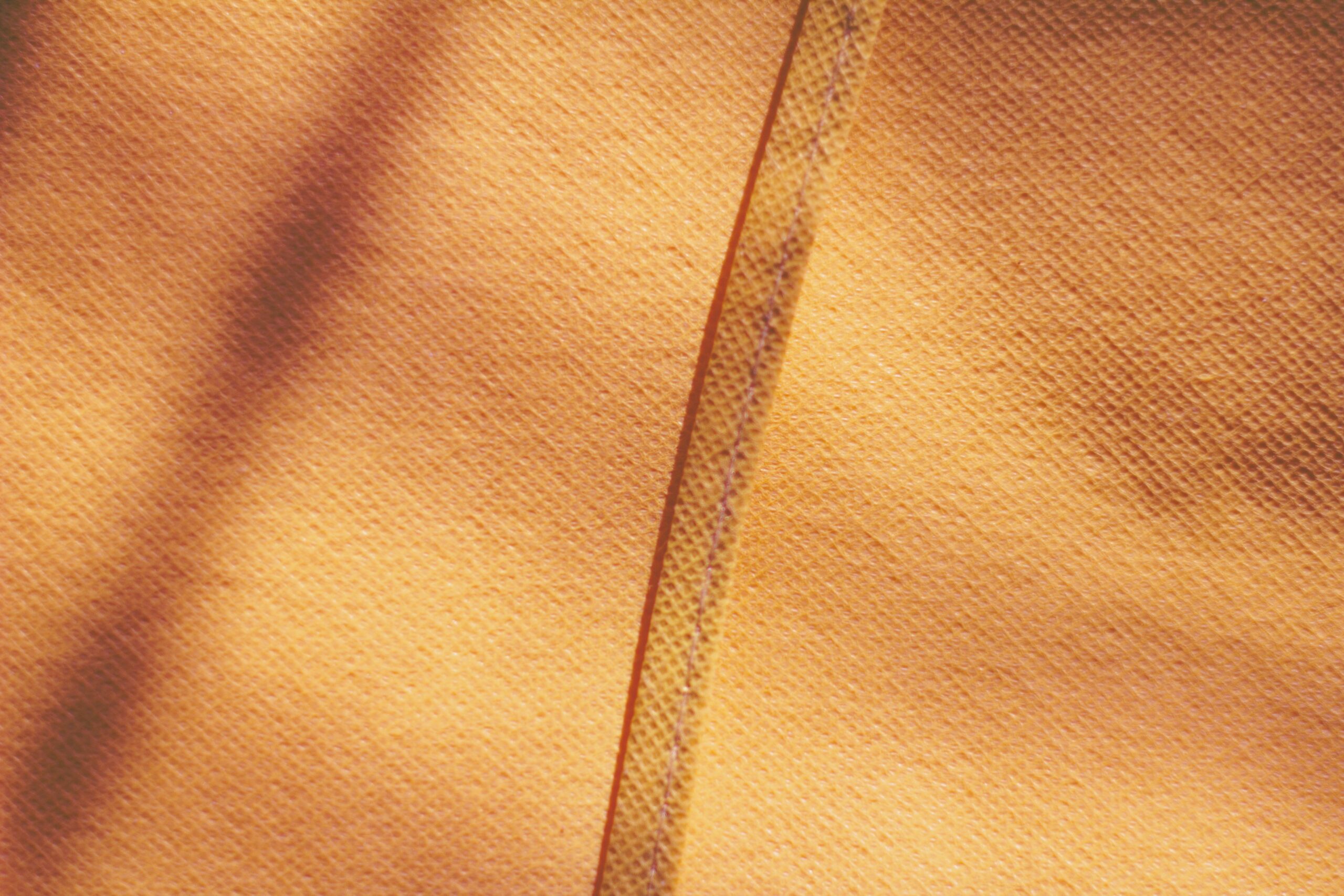

White fabrics have long been associated with purity, cleanliness, sophistication, and freshness. Whether in apparel, home textiles, medical textiles, or industrial applications, the visual appeal of a bright white fabric often signifies quality and proper maintenance. However, one of the most common and frustrating problems encountered by consumers and textile professionals is the gradual yellowing of white textiles. A fabric that once appeared brilliant white can slowly develop a cream, beige, or yellow tint, reducing its aesthetic value and making it appear aged or poorly maintained.
The yellowing of white fabrics is not caused by a single factor. Instead, it is the result of complex chemical, physical, and environmental interactions that occur throughout the life cycle of a textile. From fiber production and fabric manufacturing to consumer use and storage, numerous variables can contribute to discoloration. Understanding the science behind yellowing is important for textile engineers, manufacturers, quality control specialists, retailers, and consumers alike. By identifying the root causes of yellowing, effective preventive measures can be implemented to preserve whiteness and improve textile performance.
What Is Fabric Yellowing?
Fabric yellowing refers to the gradual appearance of yellow-colored compounds within or on the surface of a textile material. This discoloration may develop uniformly across the entire fabric or may occur in localized areas such as collars, cuffs, underarm regions, or folded sections of stored garments. Yellowing can become visible over a period of days, months, or even years depending on the underlying cause.
In textile science, yellowing is generally associated with the formation of chromophores. Chromophores are molecular structures that absorb specific wavelengths of visible light and reflect others. When chemical reactions create chromophores within textile fibers, the fabric begins to absorb more blue light and reflect more yellow wavelengths, resulting in a noticeable yellow appearance. Chromophores are the components of dye molecules that give them color.
Yellowing can occur in both natural and synthetic fibers, although the mechanisms responsible for discoloration often vary according to fiber type. Cellulosic fibers such as cotton undergo different chemical reactions than synthetic fibers such as polyester or nylon. In many cases, yellowing results from a combination of oxidation, heat exposure, ultraviolet radiation, residual chemicals, environmental pollutants, and improper laundering practices.
Major Causes of Yellowing in White Fabrics
Oxidation of Fibers
Oxidation is one of the most significant causes of textile yellowing and is often unavoidable over long periods of time. Oxidation occurs when textile fibers react with oxygen present in the atmosphere. These reactions gradually alter the molecular structure of the fibers, leading to the formation of colored degradation products.
In cotton fabrics, oxidation primarily affects cellulose molecules. Cellulose is a naturally occurring polymer composed of glucose units, and although it is relatively stable under normal conditions, prolonged exposure to oxygen can cause chain scission and the formation of carbonyl-containing compounds. These compounds contribute to the development of yellow coloration.
The oxidation process may be accelerated by elevated temperatures, exposure to light, high humidity, or the presence of metal ions. Even when fabrics are not actively being worn or washed, oxidation continues slowly during storage. This explains why white garments that remain unused in closets for several years may emerge with noticeable yellow discoloration despite appearing clean.
Exposure to Sunlight and UV Radiation
Sunlight is another major contributor to yellowing in white textiles. While sunlight can help remove moisture and reduce microbial growth, prolonged exposure to ultraviolet radiation can cause significant chemical damage to fibers and textile finishes.
Ultraviolet light possesses sufficient energy to break chemical bonds within fiber polymers. In cotton, UV exposure accelerates cellulose degradation and promotes oxidation. In synthetic fibers such as polyester and nylon, ultraviolet radiation can trigger photochemical reactions that alter the polymer structure. These reactions produce degradation products that may appear yellow or brown.
Additionally, many white textiles contain optical brightening agents designed to enhance whiteness. These compounds absorb ultraviolet light and re-emit it as visible blue light, creating the perception of a brighter white appearance. Continuous UV exposure can gradually degrade these brightening agents, reducing their effectiveness and allowing the fabric’s inherent yellow tint to become more visible.
As a result, white curtains, outdoor fabrics, uniforms, and garments that experience regular sunlight exposure often show yellowing more quickly than textiles stored indoors.
Residual Chemicals from Textile Processing
The textile manufacturing process involves numerous chemical treatments that prepare fabrics for consumer use. Processes such as desizing, scouring, bleaching, mercerization, dyeing, finishing, and softening all rely on specialized chemical formulations. If these chemicals are not completely removed or neutralized, residual substances may remain trapped within the fabric structure.
One common source of yellowing is residual hydrogen peroxide left behind after bleaching operations. Although peroxide bleaching is widely used to achieve high levels of whiteness in cotton fabrics, incomplete peroxide decomposition can create long-term stability issues. Over time, residual peroxide may participate in oxidation reactions that contribute to yellowing.
Similarly, residual alkalis from scouring or mercerization processes may promote chemical degradation during storage. Finishing agents, lubricants, and softeners can also undergo oxidation or thermal degradation, producing yellow-colored compounds that become visible on the fabric surface.
For textile manufacturers, proper washing, neutralization, and quality control procedures are essential to minimize processing-related yellowing problems.
Aging of Optical Brightening Agents (OBAs)
Optical Brightening Agents have become indispensable components in modern textile finishing. These fluorescent compounds improve the perceived whiteness of fabrics by compensating for natural yellow undertones present in many fibers.
Although highly effective when first applied, optical brighteners are not permanent. Their performance gradually declines due to repeated washing, sunlight exposure, oxidation, and thermal stress. As these molecules degrade, their ability to emit blue light decreases. Consequently, the fabric appears less bright and increasingly yellow.
In many cases, consumers mistakenly believe that a fabric has accumulated stains when the actual issue is the deterioration of optical brightening agents. This phenomenon is particularly common in frequently washed white garments such as shirts, uniforms, bed linens, and towels.
Heat-Induced Yellowing
Temperature plays a critical role in many textile degradation processes. Elevated temperatures accelerate chemical reactions, including oxidation, polymer breakdown, and finish degradation.
Heat-induced yellowing may occur during textile manufacturing, garment finishing, laundering, drying, ironing, or storage. During high-temperature processing operations, fibers can undergo thermal oxidation, leading to the formation of colored degradation products.
Synthetic fibers are especially susceptible to thermal damage because excessive heat may alter their polymer structure. Polyester fabrics exposed to high temperatures for prolonged periods may exhibit yellow discoloration, particularly when combined with oxygen exposure.
In domestic settings, excessive ironing temperatures or repeated machine drying at high heat can contribute to gradual yellowing. This effect often becomes noticeable after extended periods of use and repeated care cycles.
Nitrogen Oxides (NOx) Pollution
Environmental pollution is another often-overlooked contributor to textile yellowing. Nitrogen oxides generated by vehicle exhaust systems, industrial emissions, and combustion processes can react with textile materials and finishing chemicals.
This phenomenon is commonly known as gas yellowing. It occurs when nitrogen dioxide and related gases interact with optical brighteners, antioxidants, or fiber degradation products. The resulting chemical reactions create compounds that exhibit a yellow appearance.
Gas yellowing is particularly problematic during storage and transportation. Textiles stored in warehouses with poor ventilation or located near industrial areas may experience discoloration even before reaching consumers. Manufacturers often use anti-gas-yellowing finishes and specialized packaging materials to reduce this risk.
Body Oils, Sweat, and Skin Residues
The human body continuously produces perspiration, oils, proteins, salts, and other biological substances that come into contact with clothing and household textiles. While these materials may initially be invisible, they gradually accumulate within fibers over time.
Underarm regions, collars, cuffs, pillowcases, and bed sheets are particularly vulnerable because they experience direct and repeated skin contact. As body oils and sweat residues oxidize, they form yellow-colored compounds that become increasingly difficult to remove through normal washing.
The yellow stains commonly observed on white shirts are often the result of interactions between perspiration components and deodorant ingredients. Aluminum-containing antiperspirants can react with sweat proteins to create persistent discoloration that becomes more pronounced over time.
Detergent and Bleach Residues
Laundering is intended to maintain fabric cleanliness, yet improper washing practices can inadvertently contribute to yellowing. Excessive detergent use may leave residues trapped within fibers, especially when rinsing is inadequate. These residues attract dirt and pollutants while also participating in chemical reactions that generate discoloration.
Chlorine bleach presents another challenge. Although it is highly effective at removing stains and whitening fabrics, excessive use can weaken fibers and promote oxidative degradation. Repeated exposure to chlorine bleach may eventually cause fabrics to develop a yellow cast rather than becoming whiter.
Modern laundry care recommendations increasingly favor oxygen-based bleaching systems because they offer effective stain removal with reduced risk of fiber damage and yellowing.
Storage Conditions
Storage conditions play a crucial role in preserving textile whiteness. Even perfectly cleaned fabrics can yellow when stored improperly for extended periods.
High temperatures and elevated humidity accelerate oxidation and chemical degradation reactions. Poor air circulation allows pollutants and moisture to accumulate around stored textiles. Certain packaging materials, particularly acidic cardboard and low-quality paper products, release compounds that can migrate into fabrics and promote discoloration.
Wooden shelves may also contribute to yellowing because lignin present in wood can release acidic vapors during aging. These vapors may interact with textile fibers and finishes, leading to gradual discoloration.
Proper storage environments should be cool, dry, clean, and well-ventilated to minimize yellowing risks.
Fiber-Specific Yellowing Behavior
Different fibers exhibit unique yellowing characteristics because of their distinct chemical structures. Cotton, as a cellulose-based fiber, primarily yellows through oxidation and environmental exposure. Polyester generally demonstrates better resistance to oxidation but may yellow due to thermal degradation and ultraviolet radiation. Nylon is particularly sensitive to light-induced oxidation and often develops yellow discoloration after prolonged exposure to sunlight.
Protein fibers such as wool and silk naturally undergo chemical changes with age. Oxidation of amino acid residues within these fibers gradually creates yellow-colored compounds, making some degree of yellowing an inherent characteristic of long-term aging.
Understanding these fiber-specific behaviors allows textile engineers to select appropriate finishing treatments and storage recommendations for different textile products.
How Textile Manufacturers Prevent Yellowing
Preventing yellowing begins during textile production. Manufacturers carefully control bleaching conditions to ensure effective whitening while minimizing fiber damage. Residual chemicals are removed through thorough washing and neutralization procedures designed to improve long-term fabric stability.
Modern textile finishing technologies often incorporate antioxidants, ultraviolet absorbers, and anti-gas-yellowing agents that protect fibers from environmental degradation. Manufacturers also invest in high-quality optical brighteners that provide improved durability against laundering and sunlight exposure.
Packaging and storage systems have become increasingly sophisticated as well. Acid-free packaging materials, controlled warehouse environments, and protective wrapping technologies help preserve whiteness throughout transportation and distribution.
Quality control testing frequently includes accelerated aging studies that simulate long-term storage and environmental exposure, enabling manufacturers to identify potential yellowing issues before products reach the marketplace.
Tips for Consumers to Prevent Yellowing
Consumers can significantly extend the life and appearance of white textiles through proper care practices. Regular laundering removes body oils and contaminants before they become permanently oxidized. Using appropriate detergent concentrations and ensuring thorough rinsing helps prevent residue accumulation within fibers.
Storage conditions should receive equal attention. White garments should be stored in cool, dry locations away from direct sunlight and excessive humidity. Breathable garment bags are generally preferable to sealed plastic containers because they allow air circulation while protecting against dust.
Moderate drying temperatures and careful ironing practices reduce thermal degradation. Prompt treatment of perspiration stains and body oil deposits can also prevent the development of stubborn yellow discoloration.
By combining proper washing, drying, and storage techniques, consumers can preserve fabric whiteness for significantly longer periods.
Conclusion
The yellowing of white fabrics is a complex phenomenon influenced by chemistry, environmental conditions, manufacturing processes, and consumer behavior. Oxidation, ultraviolet radiation, heat exposure, residual processing chemicals, atmospheric pollutants, body oils, detergent residues, and improper storage all contribute to the gradual discoloration of textile materials. Although yellowing may seem like a simple cosmetic issue, it reflects intricate molecular changes occurring within fibers and textile finishes.
For textile engineers and manufacturers, understanding these mechanisms is essential for developing products that maintain their whiteness throughout their intended lifespan. Advances in bleaching technology, optical brighteners, stabilizing finishes, and quality control systems continue to improve resistance to yellowing. At the same time, consumers play an important role through proper laundering and storage practices. By addressing both manufacturing and maintenance factors, the textile industry can ensure that white fabrics remain bright, attractive, and functional for years to come.