

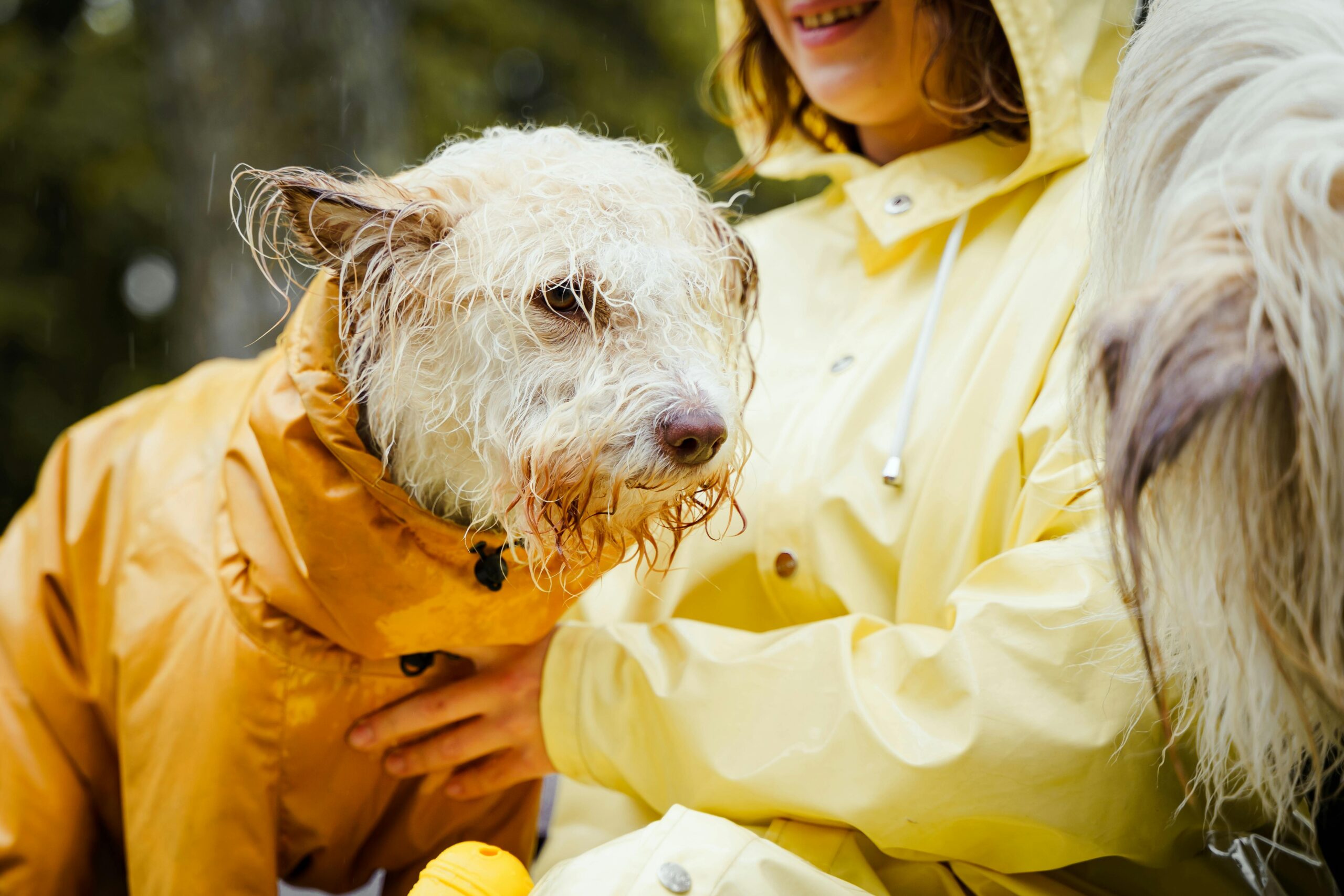

At first glance, the idea of a waterproof yet breathable jacket seems contradictory. If a fabric can stop rain from penetrating, how can it also allow moisture to escape? For many consumers, waterproofness and breathability appear to be opposing characteristics. A material that blocks water should logically block everything else as well.
Yet modern textile engineering has demonstrated that these two properties can coexist remarkably well. In fact, the development of waterproof breathable fabrics is one of the most significant innovations in performance textiles over the last half-century. Today, outdoor enthusiasts, athletes, military personnel, industrial workers, and everyday consumers rely on garments that protect them from rain while remaining comfortable during physical activity.
The ability to achieve both waterproofness and breathability is not the result of a simple coating or fabric treatment. Rather, it is the outcome of decades of research in polymer science, membrane technology, fabric construction, and moisture management. Understanding how this is possible requires a closer look at the science behind water, vapor, and the sophisticated textile systems designed to control them.
Why the Question Arises
The confusion surrounding waterproof breathable fabrics is understandable. Historically, waterproof garments were designed with a single objective: preventing water from entering. Materials such as rubber-coated fabrics, oil-treated textiles, waxed cotton, and later PVC-coated rainwear created highly effective barriers against rain. However, they also prevented heat and moisture generated by the body from escaping.
Anyone who has worn a traditional plastic raincoat during a humid day or while engaging in physical activity will be familiar with the uncomfortable feeling that often develops inside the garment. Sweat accumulates, condensation forms, and the wearer begins to feel damp despite being protected from external rain.
This experience naturally leads people to assume that waterproofness must come at the expense of comfort. If rain cannot get in, how can anything get out?
The answer lies in understanding that not all forms of water behave in the same way.
Understanding the Difference Between Water and Water Vapor
One of the most important concepts in performance textile engineering is the distinction between liquid water and water vapor.
Rain, snow, and splashes consist of liquid water. In this form, water exists as droplets that are relatively large when compared to individual molecules. Water vapor, on the other hand, consists of microscopic molecules dispersed in the air. Although both are composed of H₂O, their physical behavior is fundamentally different.
This difference provides textile engineers with an opportunity. Rather than creating fabrics that simply block all moisture movement, engineers can develop materials that selectively prevent liquid water from penetrating while allowing water vapor to pass through.
This selective control of moisture transport is the foundation of waterproof breathable technology.
When a person exercises, hikes, cycles, or simply walks briskly, the body generates heat and perspiration. As sweat evaporates, it becomes water vapor. If that vapor cannot escape, it accumulates inside the garment and eventually condenses, creating discomfort. If it can move outward through the fabric, the wearer remains significantly drier and more comfortable.
The challenge for textile engineers is therefore not merely preventing rain from entering a garment. It is managing moisture movement in both directions simultaneously.
How Waterproof Breathable Fabrics Work
Modern waterproof breathable garments rely on highly engineered membrane technologies that regulate the movement of moisture.
One of the most widely used approaches involves microporous membranes. These membranes contain billions of microscopic pores distributed throughout their structure. The pores are carefully engineered to be small enough to prevent liquid water droplets from passing through while remaining large enough to allow water vapor molecules to escape.
When moisture vapor builds up inside a jacket, it naturally moves toward areas of lower concentration outside the garment. This movement occurs through diffusion and is driven by differences in temperature, humidity, and vapor pressure. The membrane acts as a selective barrier, blocking rainwater while facilitating the outward transport of perspiration vapor.
The result is a garment that protects against external weather conditions without trapping all internally generated moisture.
This technology represented a major breakthrough in textile engineering because it challenged the long-standing assumption that waterproofness and comfort could not coexist.
An Alternative Approach: Hydrophilic Membranes
Not all waterproof breathable fabrics rely on microscopic pores. Some employ hydrophilic membrane technology, which uses a completely different mechanism to achieve the same objective.
Hydrophilic membranes contain specialized polymer structures that attract moisture molecules. Rather than passing through physical pores, water vapor is absorbed into the membrane and transported through the material via molecular diffusion. Once the moisture reaches the outer surface, it is released into the surrounding environment.
This approach offers several advantages. Because there are no pores, hydrophilic membranes are generally less susceptible to contamination from dirt, oils, or other substances that can affect performance. They also provide consistent moisture transport across a wide range of environmental conditions.
The existence of both microporous and hydrophilic systems highlights an important fact: there is more than one engineering solution to the challenge of creating waterproof breathable fabrics.
The Role of Multi-Layer Fabric Construction
While membranes often receive the most attention, they represent only one component of a waterproof breathable garment. Modern jackets typically utilize sophisticated multi-layer constructions that combine multiple materials into an integrated performance system.
The outer layer, commonly known as the face fabric, provides durability, abrasion resistance, and protection against environmental wear. This layer is often treated with durable water repellent finishes that encourage water to bead and roll off the surface rather than soaking into the fabric.
Beneath the face fabric lies the waterproof breathable membrane, which serves as the primary barrier against rain while facilitating moisture vapor transport.
An inner lining or protective layer is frequently added to shield the membrane from damage and improve comfort against the skin. Depending on the application, additional layers may also be incorporated to enhance insulation, durability, or functionality.
This layered approach allows engineers to optimize multiple performance characteristics simultaneously, ensuring that waterproofness, breathability, comfort, and durability are all addressed within a single garment.
Is Breathability the Same as Air Permeability?
A common misconception in discussions about performance textiles is that breathability and airflow are the same thing. In reality, these are distinct properties.
Air permeability refers to the ease with which air passes through a fabric. Breathability, however, refers primarily to the transport of moisture vapor.
A fabric can exhibit very low air permeability while still demonstrating excellent breathability. This is precisely how many waterproof jackets function. They effectively block wind and rain while allowing moisture vapor generated by the body to escape.
From a comfort perspective, moisture vapor management is often more important than unrestricted airflow. A garment that efficiently removes perspiration vapor can maintain a comfortable microclimate around the wearer even if very little actual air passes through the fabric.
Understanding this distinction helps explain why waterproof breathable jackets can feel comfortable despite providing substantial protection from external weather conditions.
Measuring Waterproofness and Breathability
The performance of waterproof breathable fabrics is not based solely on marketing claims. Textile engineers rely on standardized testing methods to evaluate and compare materials objectively.
Waterproofness is commonly assessed using hydrostatic head testing. In this test, water pressure is gradually increased against a fabric sample until penetration occurs. The resulting measurement indicates the fabric’s resistance to water pressure and provides a quantitative assessment of waterproof performance.
Breathability is typically measured through methods that evaluate moisture vapor transport. Moisture Vapor Transmission Rate (MVTR) quantifies the amount of water vapor that can pass through a material over a specified period. Another widely used metric is Resistance to Evaporative Heat Transfer, commonly known as Ret, which measures how easily moisture and heat can escape through a fabric.
These measurements allow manufacturers to tailor fabrics for specific applications. A jacket intended for alpine climbing may prioritize maximum waterproof protection against severe weather, while a running jacket may place greater emphasis on moisture management and breathability.
Why Some Waterproof Jackets Still Feel Uncomfortable
If waterproof breathable technology is so effective, why do some jackets still feel hot or clammy during use?
The answer lies in the fact that garment performance depends on many factors beyond the membrane itself.
Environmental conditions play a significant role. Breathability relies on differences in humidity and vapor pressure between the inside and outside of the garment. In environments with extremely high humidity, moisture transport naturally becomes less efficient because the surrounding air is already saturated with moisture.
The condition of the garment can also influence performance. Dirt, oils, and detergent residues may reduce the effectiveness of moisture transport over time. In addition, if the outer fabric becomes saturated with water, a condition often referred to as wetting out, the efficiency of vapor movement can decrease substantially.
Garment design is equally important. Ventilation features, seam construction, fit, pattern engineering, and lining materials all contribute to overall comfort. Even the most advanced membrane cannot fully compensate for poor garment design.
As a result, the real-world performance of a waterproof jacket depends on the interaction between fabric technology, environmental conditions, maintenance practices, and garment engineering.
The Evolution of Waterproof Breathable Textiles
The journey from heavy rubberized raincoats to today’s high-performance outdoor apparel reflects the remarkable progress of textile science.
Over the years, researchers have developed increasingly sophisticated membrane technologies capable of balancing protection and comfort. Expanded polytetrafluoroethylene membranes, polyurethane-based systems, electrospun nanofiber structures, and other advanced materials have continually pushed the boundaries of performance.
Today, the focus extends beyond functionality alone. Sustainability has become an important area of innovation, leading to the development of bio-based materials, environmentally responsible membrane technologies, and alternative water-repellent treatments. Researchers are also exploring smart textiles capable of dynamically responding to environmental conditions and wearer activity levels.
These advancements demonstrate how textile engineering continues to evolve in response to changing consumer expectations and environmental considerations.
The Engineering Answer
The ability of a jacket to be both waterproof and breathable is not a contradiction but rather a testament to modern textile engineering.
By understanding the differences between liquid water and water vapor, engineers have developed materials that selectively control moisture movement. Through microporous membranes, hydrophilic diffusion systems, and sophisticated multilayer constructions, modern garments can prevent rain from entering while allowing perspiration vapor to escape.
What once appeared to be an impossible balance has become a standard expectation in high-performance apparel.
Key Takeaway
Waterproofness and breathability are often viewed as competing properties, but modern textile technology demonstrates that they can successfully coexist. Through advanced membrane engineering and carefully designed fabric systems, waterproof jackets can provide effective protection against rain while maintaining wearer comfort through efficient moisture vapor management.
Far from being a contradiction, waterproof breathable fabrics represent one of the clearest examples of how textile engineering solves complex challenges by understanding and controlling material behavior at the microscopic level.