

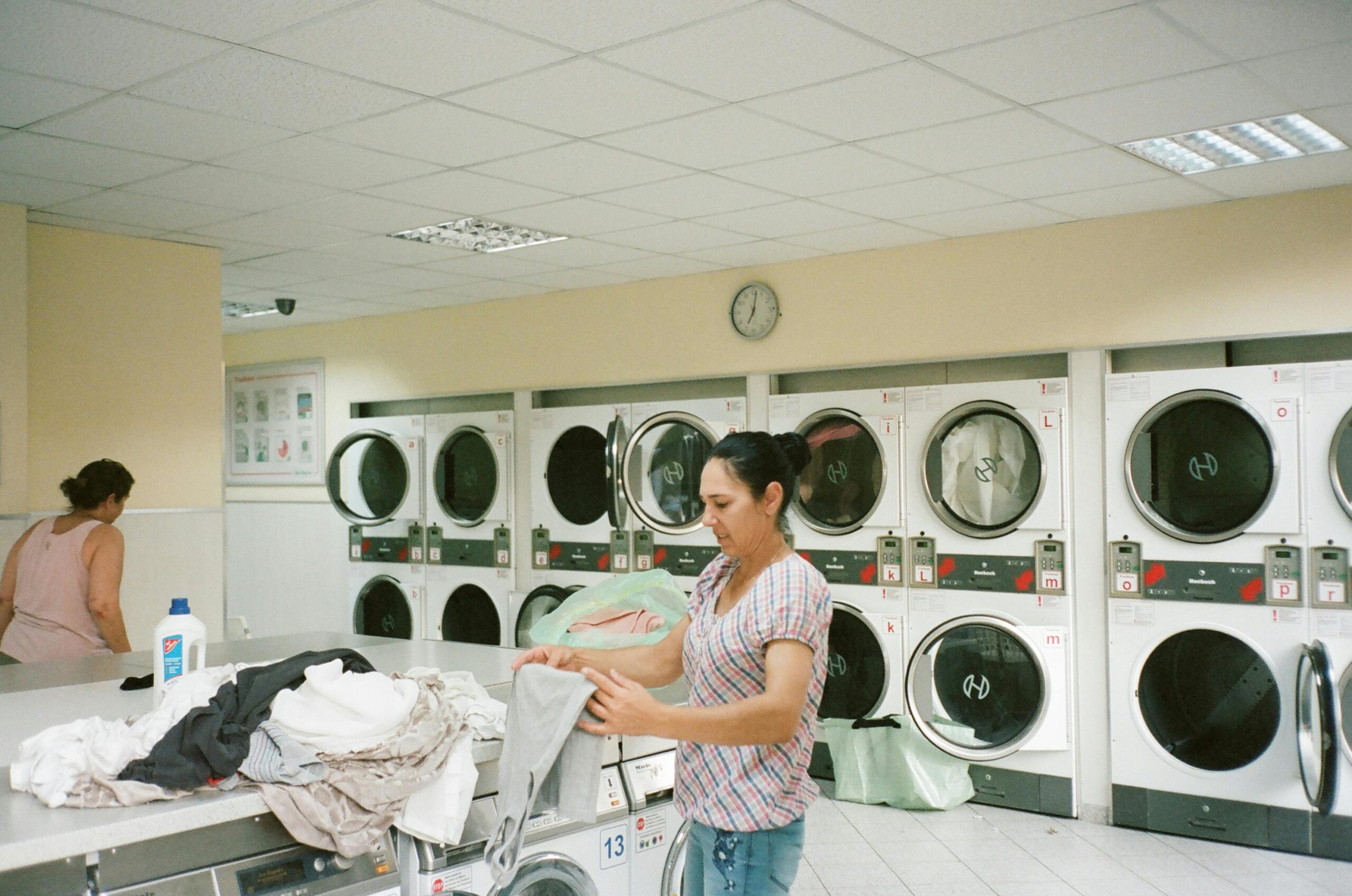

For decades, people have believed that washing clothes in hot water is the secret to truly clean laundry. The idea sounds logical: heat melts grease, kills germs, and removes stubborn dirt more effectively than cold water. While there is some truth behind the myth, modern textile science tells a more nuanced story.
In reality, hot water is not always the best choice for cleaning clothes. Advances in detergent chemistry, washing machine technology, and textile engineering have changed how fabrics respond to washing conditions. In many situations, cold or warm water can clean just as effectively while also protecting fabrics and reducing energy consumption.
Where the Myth Came From
Historically, hot water played a major role in laundry because older detergents were less effective at lower temperatures. Heat helped dissolve oils, activate soap ingredients, and sanitize heavily soiled garments. Before modern washing machines and enzyme-based detergents, hot water was often necessary for acceptable cleaning performance.
Over time, this created a strong public perception that hotter water automatically meant cleaner clothes. Household advice reinforced the belief for generations, especially for white garments, greasy stains, and heavily used fabrics. The association between heat and hygiene became deeply rooted in consumer habits and continues even today.
What Actually Cleans Clothes?
Contrary to popular belief, water temperature alone does not clean fabrics. Cleaning performance depends on several factors working together, including detergent chemistry, mechanical agitation, washing time, and temperature. Textile scientists often describe this relationship through the “Sinner’s Circle,” which explains how each factor contributes to effective laundering.
Modern detergents have dramatically changed the equation. Today’s formulations contain advanced surfactants and enzymes that work efficiently even at low temperatures. Enzymes such as proteases, lipases, and amylases target protein stains, oils, and starches without requiring excessive heat. As a result, much of the cleaning power in modern laundry systems comes from chemistry rather than temperature alone.
When Hot Water Helps
Although the myth is exaggerated, hot water still has legitimate advantages in certain situations. Heavy grease and oil stains can sometimes be removed more effectively at elevated temperatures because heat improves the breakdown and dispersion of oily substances. Industrial uniforms, kitchen textiles, and heavily soiled workwear may therefore benefit from warmer wash cycles.
Hot water can also assist with sanitization. Higher temperatures are more effective at reducing bacteria, allergens, and dust mites, which is why healthcare and hospitality laundries often rely on elevated-temperature washing processes. In addition, durable white cotton fabrics such as towels and bedsheets can tolerate hotter conditions and may appear brighter after repeated washes because body oils and residues are removed more thoroughly.
The Problems with Hot Water
Despite these benefits, excessive heat can negatively affect textile performance and durability. Repeated hot washing accelerates fiber degradation and can weaken cotton fibers, synthetic blends, and elastic yarns over time. This often results in shrinkage, loss of shape, fading, and reduced tensile strength.
Color retention is another major concern. Many dyes become less stable at higher temperatures, increasing the risk of dye migration and color bleeding. Dark and brightly colored garments are therefore more likely to fade when washed repeatedly in hot water.
Hot water also has significant environmental implications. Heating water accounts for the majority of the energy consumed during domestic laundering. In many washing systems, the energy required to heat water far exceeds the energy needed to operate the machine itself. Cold water washing therefore reduces electricity usage and contributes to more sustainable textile care practices.
The Rise of Cold-Water Detergents
Detergent technology has advanced considerably over the past two decades. Manufacturers now formulate products specifically designed for effective cleaning at lower temperatures, often around 20–30°C. Improved enzyme systems allow stains and soils to be removed efficiently without relying heavily on heat.
Modern washing machines further support low-temperature performance through improved drum movement, optimized water circulation, and longer controlled wash cycles. Together, these developments have made cold-water washing highly effective for most everyday garments.
As sustainability becomes increasingly important in the textile and apparel industry, cold-water laundering is also being promoted as an environmentally responsible practice that reduces both energy consumption and fabric damage.
What Textile Engineers Recommend
From a textile engineering perspective, the ideal wash temperature depends on several variables, including fiber type, fabric construction, dye chemistry, and the level of soiling. Durable white cotton products can generally tolerate warm or hot conditions, while dyed cottons, polyester blends, wool fabrics, and elastane-containing activewear typically perform better under cold-water washing conditions.
Care labels remain important because they reflect the structural and chemical limitations of the textile. Following recommended wash temperatures helps preserve dimensional stability, colorfastness, elasticity, and overall garment lifespan.
So, Does Hot Water Clean Better?
The answer is more complex than the myth suggests. Hot water can improve cleaning performance in situations involving heavy oils, severe contamination, or sanitization requirements. However, for ordinary household laundry, modern detergents allow cold water to achieve excellent cleaning results while preserving fabric quality and reducing environmental impact.
From a textile science perspective, effective laundering is not simply about using more heat. It is about balancing chemistry, mechanical action, fabric durability, and sustainability.
Final Thoughts
Laundry practices have evolved alongside textile technology. While hot water once played a central role in achieving clean clothes, modern detergents and washing systems have reduced the need for high-temperature laundering in most situations.
Understanding how temperature affects fibers, dyes, and fabric performance allows consumers to make better care decisions and extend the lifespan of their garments. The long-standing belief that “hotter means cleaner” may sound convincing, but modern textile science shows that colder washing can often be just as effective — and much gentler on fabrics.